
To complement our outside-in approach, we organized a series of 3 internal stakeholder workshops to gather a broad range of experts’ perspectives from across the organization. To get more depth on the workshop, feel free to check out a pre-read document and video that set the stage, as well as the workshop presentation we used in the session.
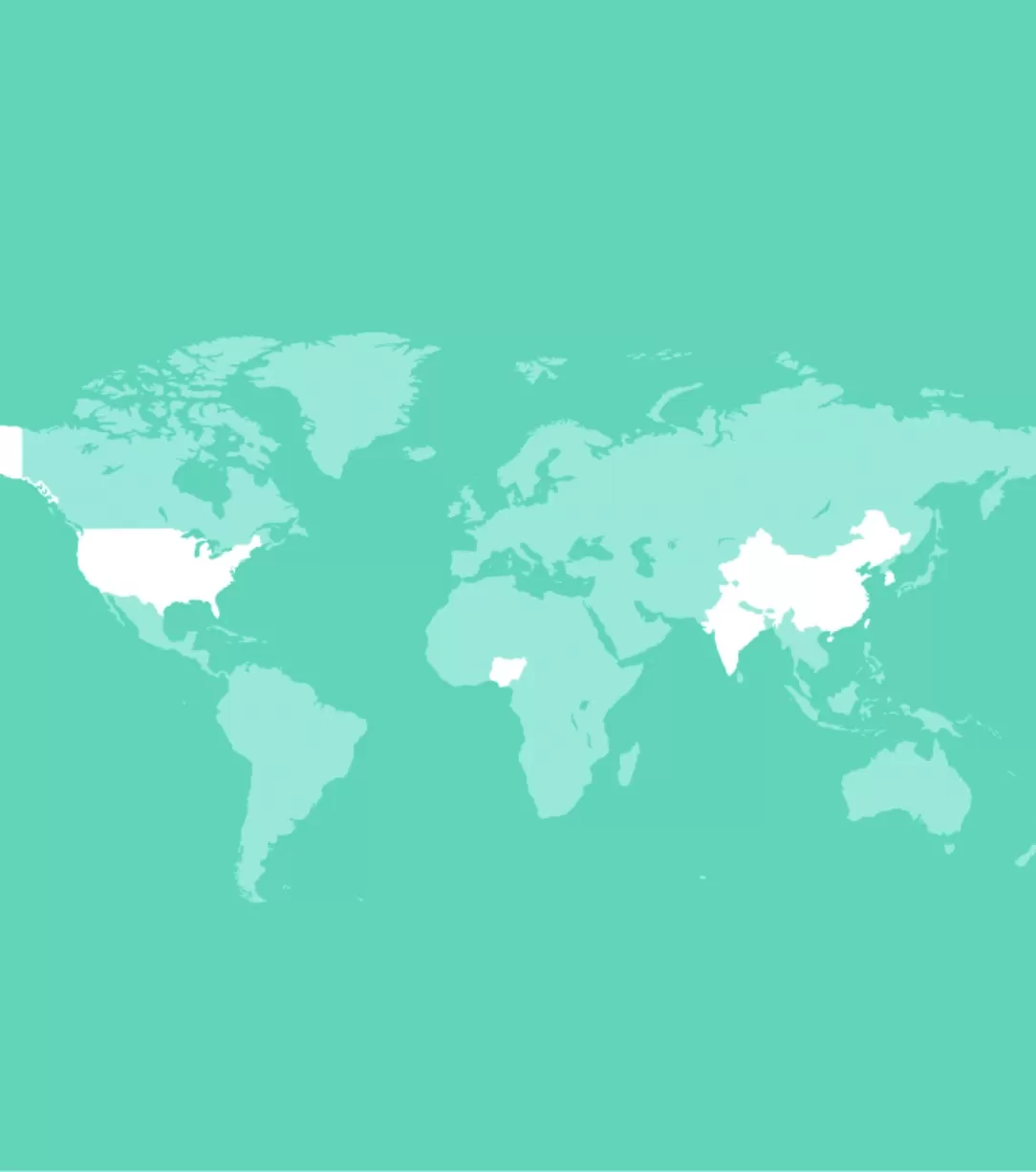
For each country and region, insights were gathered to understand the economic landscape in the country, the public health and sustainability priorities, and their strategies for change (if available). We also were interested in understanding the regional dietary patterns, whether there are any nutritional gaps, and what the food culture and food trends in these markets are.
The UNFSS status was also analyzed for each market to understand whether these countries have taken action or identified priorities. We gathered intelligence around current or future public / private partnerships and whether any opportunities may exist for Mars. And finally, if there was anything bubbling up from a regulatory perspective or a retail perspective (e.g., shopper behavior), trends and notes were captured and reported on.
With 211.8 million inhabitants, Brazil’s nutrition challenges are somewhat polarized. While some communities suffer from malnutrition and deficiencies like that of Iodine, Vitamin A, Iron and B vitamins, other communities are suffering from obesity and related diseases. According to our research, Brazil exceeds the global average for energy (kcal) in the diet, yet is ranked third on our list for markets experiencing food insecurity.
In an effort to improve dietary patterns, the national dietary guidelines explicitly recommend a diet that consists of a variety of natural or minimally processed foods, predominantly of plant origin. As of Q3 2021, Brazil’s regulatory landscape continues to be very active, demonstrating the guidelines in action with a crack-down on HFSS taxation, labeling on nutrients of concern (saturated fat, sodium, added sugar), responsible marketing, and retail channel restrictions . Additionally, Brazilian consumers are trending towards natural and minimally processed foods and, looking at holistic health, products that support emotional wellbeing are gaining in popularity.
Applying Wellbeing for Generations:
Given the public health landscape in Brazil, this market could benefit from solutions that Incentivize Lasting Changes and augment the physical dimension of wellbeing by addressing both over and under nutrition challenges. Using the Nourishing for Happiness impact area as inspiration, we should continue to find ways to offer Brazilian consumers products that deliver on holistic health and emotional wellbeing. Mars has an opportunity to innovate not only to address the changing consumer and public health landscape, but also to get a foothold in a market that has been difficult to compete in against incumbent players. To showcase our refreshed Brazilian pipeline of the future, we also might consider immersive retail experiences like that of the new Nestlé branded market, Empório.
China is experiencing a swift economic recovery from the pandemic, primarily driven by investments and a more recently focus on services and consumption. Unsurprisingly, establishing long-term COVID-19 control remains a top public health priority, followed by child and community-level healthcare. Additionally, the majority of the population (75%) is exposed to harmful chemicals from air pollution and, according to the World Food Programme, the food system is vulnerable to natural disasters, making resilience-building a priority.
When it comes to nutrition, studies have shown a shift from the traditional Chinese dietary pattern to a Western pattern over the past 25 years, illustrated by a decrease in cereals and vegetables and an increase in meat and packaged foods. Meanwhile, the younger generation appears to be taking matters into their own hands and pushing back on this shift. Emboldened by their digital savviness, Chinese youth are becoming increasingly opinionated about food and are influencing their parents as well as the food industry at large. They are cooking at home more and bringing back ancient Chinese medicine-food conceptions, making traditional and functional ingredients relevant once again.
Applying Wellbeing for Generations:
As Mars thinks about its future presence in China, catering to and Empowering Youth , will be of utmost importance. Recent environmental crises have highlighted the need to build more resilient food systems by Fueling Regenerative Cycles. Additionally, aligned with the Mars Snacking agenda, healthy snacking and sugar reduction has emerged as an important trend in China, with snack products that strike a balance between health, taste, and functionality resonating with Chinese consumers.
India:
Beyond grappling with the COVID-19 pandemic and economic decline projected for 2022, India faces a great deal of public health issues – overindexing in the prevalence of NCDs, undernutrition, low birth weights, mental health disorders, and other key indicators compared to global averages. First, the prevalence of NCDs exceeds global averages at 597.5/100,000 inhabitants. When compared to the other key markets, India has the highest prevalence of undernutrition at 15.3%, which particularly affects India’s impoverished communities. And, although public health outcomes have slightly improved in recent years, India continues to face poverty-driven challenges like high rates of low birth weight (38/1,000 births) and maternal mortality (174/100,000). Furthermore, an analysis of nutrient gaps in children revealed there are clear gaps in iron, zinc, folate, vitamin A, and vitamin B12, and potentially a gap in calcium. Additionally, since the start of the pandemic, mental health disorders such as anxiety and depression have increased by over 30% , making emotional wellbeing just as critical as the physical dimension.
In response to these nutrition-related public health concerns, the National Health Portal has shifted from nutrient oriented recommendations and instead uses a food-based approach with specific emphasis given to early nutrition. Regulatory bodies in India are also hoping to move the needle on nutrition status by proposing policies beyond the Mars position regarding HFSS taxation and marketing to children.
Meanwhile, amidst the pandemic and various other public health challenges, consumers are reverting back to tradition when it comes to food preparation and wellness. Through Ghar Ki Rasoi (“home kitchen”), consumers are asserting their culinary self-reliance and reconnecting with regional cuisine and indigenous ingredients. Indian consumers have always tapped into traditional Ayurvedic-inspired self-care measures and are increasingly taking a more proactive approach to wellness .
Applying Wellbeing for Generations:
The public health landscape in India clearly illustrates a gap in both the physical and emotional dimensions of wellbeing. As Mars considers the future pipeline in India, we should look to Enable Systemic Change by delivering affordable and accessible nutrient-dense products that to address issues of over and undernutrition. Products and services that Nourish for Happiness but meet the stringent regulatory standards can potentially boost both mental and physical health outcomes. Finally, while there is appetite for the holistic wellbeing across dimensions, the spread of misinformation provides Mars a potential opportunity to address this leveraging the educational dimension, especially through digital means.
Korea:
Korean public health is threatened by the long-standing demographic crisis of an aging population and low birth rates, harmful tobacco and alcohol use, and increasing rates of childhood obesity; this is particularly true of North Korea , and was highlighted in a recent (2020) OECD report on Public Health (preceding the COVID-19 pandemic), as well as an OECD country overview. Compounding this potentially challenging landscape is Korea’s health care system design which is, at the moment, still strongly orientated towards specialist and hospital-centric care. Korea is also highly regulated in the space of nutrition and wellbeing, specifically around foods that are high in fat, sugar and salt (HFSS) and marketing to children with regulations that go beyond Mars’ current position.
Taking all of this into account, and the percentage of consumers cooking their own meals is increasing. Meals eaten alone, e.g. Honbap (eating alone) and Honsul (drinking alone) have become a familiar aspect of Korean culture with an average of 3.9 of every 10 meals consumed alone. As a result of this, home-meal replacements (HMRs) are a significant food culture element, with convenience food products that can be quickly and easily enjoyed at home, also on the rise. Food companies are introducing a diverse range of HMR products into the market, from products based on rice — a staple food in South Korea — such as microwavable rice, frozen fried rice, Cupbahn (a shelf stable rice-based product), and porridge, to side dishes like soup and stew, and snacks such as pizza and hot dogs. Clearly, these new product launches vary in their nutritional quality, but their convenience factor is undisputed.
Despite the global pandemic continuing to affect the country’s productivity and economic balance, the Korean economy is growing at a fast pace, and private-public partnerships are central to this growth.
Applying Wellbeing for Generations:
This creates an innovation space for Mars to explore, to meet the demand for at-home convenience meals while also delivering solutions that Incentivize Lasting Changes, addressing the public health issue of childhood obesity and thus tough on the physical dimension of wellbeing. Seeing the rise in “honsul” and “honbap,” it’s evident that there is a growing need for more social and emotional connections through solutions that Nourish Happiness. Finally, Mars can play a role in diversifying ingredients used in this market by innovating beyond rice, and thus Fueling more Regenerative Lifestyles.
Nigeria:
Nigeria, a country with a population of approximately 202 million, and with one of the largest youth populations in the world, is highly vulnerable to the economic disruption brought about by COVID-19. Beyond the pandemic, the country far outranks our other key markets for mortality from non-communicable diseases at 813.3/100,000 inhabitants, faces a high prevalence of food insecurity at 57.7% and exceeds the global average for undernutrition at a 14.6% prevalence.
According to GAIN, these nutrition gaps stem from poverty levels leading to insufficient dietary intake and micronutrient deficiencies as well as flaws within the national food system. While many of these issues are addressed by the nation’s SDGs priorities and in its notable partnerships with the Bill & Melinda Gates Foundation and the Global Alliance for Improved Nutrition (GAIN), a consumer goods company of our size has the potential to improve nutrition status and food access.
Applying Wellbeing for Generations:
While we have limited sales today in Nigeria, we could expand our approach by offering products and services that Enable Systemic Change in an effort to combat undernutrition, food insecurity, and high NCD-related mortality. Given the very large youth population in Nigeria we could consider programs that Empower Youth education, nutrition, entrepreneurship, and mental health.
Finally, with consumers increasingly turning to home cooking in light of recent lockdowns, we should consider the balance between local pride and global aspirations. The use of local ingredients to Fuel Regenerative Cycles is one way to strike that balance through the creation of familiar yet cosmopolitan products. And in regards to getting products to consumers, it will be important to balance the emerging digital commerce trend with food access to serve different consumer segments.
United States:
Compared to other key markets, rates of non-communicable diseases and diabetes in the United States (U.S.) are below global averages. However, the U.S. still has among the highest obesity rates in the world, affecting 37% of the adult population. And while there are ample calories available in the food supply, consumption of planet-friendly foods in particular – i.e. whole grains, nuts/seeds and legumes – are notably below recommended intake amounts. Relatedly, excessive consumption of added sugar and sodium further perpetuate disease risk and progression among the population. Additionally, the United States discards more food than any other country in the world at nearly 80 billion pounds/year, which is estimated to be 30-40 percent of the entire US food supply.
Amidst this landscape, select local governments are proposing or adopting measures such as soda taxes and interpretive front-of-pack labeling. As a result, U.S. consumers are seeking foods with functional attributes that help them manage their weight, diabetes and hypertension, all on a budget.
This state of health, coupled by the pandemic and resulting economic challenges, have created a landscape with higher-than-normal food stamp enrollment, slowly improving unemployment rates, a widening inequality gap, and concerning rates of depressive and anxiety disorders that have grown 30% since the pandemic.
Since the pandemic, Americans are not only more focused on their own health, they’re tuned into foods that help them support societal care as well as the health of the planet. Many food and beverage manufacturers are rising to the challenge to meet this growing demand with the launch of new products that tout claims such as “B Corp,” “eco-friendly,” “carbon zero,” or use upcycled ingredients.
Applying Wellbeing for Generations:
The environment is ripe for Mars to enter the market with nutrient-dense, affordable meal and snack solutions that support holistic wellbeing. With mental health disorders on the rise, Mars can think about ways to Nourish Americans with Happiness, injecting emotional wellbeing into future solutions. Given the disparity in food security, Mars can be a key player in driving and Enabling Systemic Change. Mars also has the opportunity to be a leader in Fueling Regenerative Cycles in an effort to combat the disturbing amount of food waste generated in the country. And, since these challenges are multi-faceted, engaging with hunger groups, upcycling organizations, and wellbeing-focused retailers to further these solutions will be key to enabling and incentivizing systemic and consumer behavior change.