
To complement our outside-in approach, we organized a series of 3 internal stakeholder workshops to gather a broad range of experts’ perspectives from across the organization. To get more depth on the workshop, feel free to check out a pre-read document and video that set the stage, as well as the workshop presentation we used in the session.
Our objectives for the workshop were as follows:
1
Explore our definition of the wellbeing destination
2
Seek stakeholder input into approach & implications
3
Identify links to our existing strategic frameworks
4
Explore mechanisms (tools) to embed and measure
5
Identify possible means to operationalize the tools
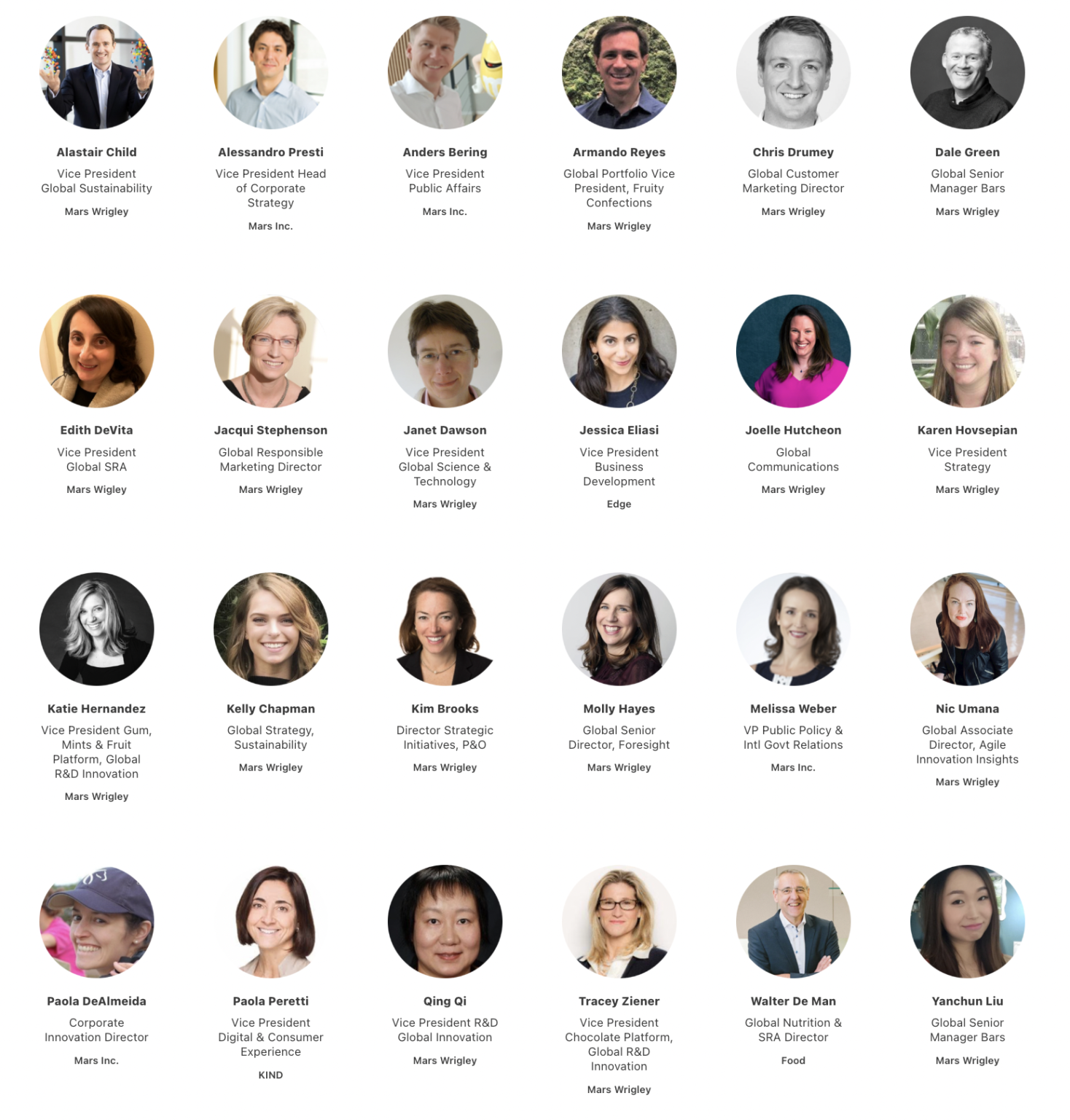
Workshop Attendees
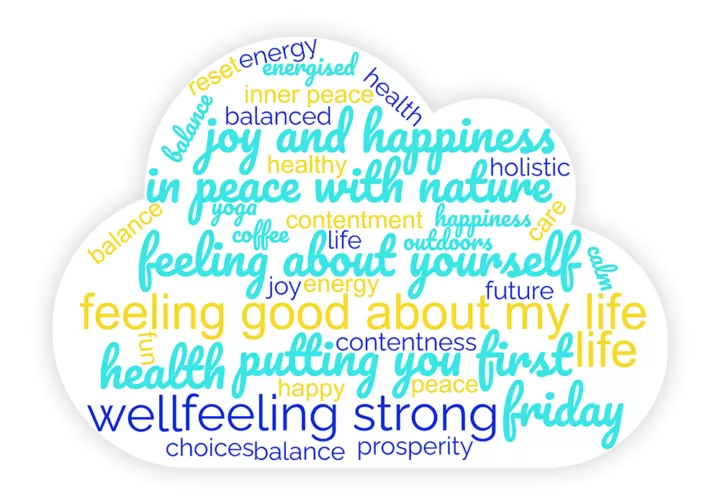
Our Associates are the same as our consumers, customers, and stakeholders. We all have a personal definition of wellbeing – tailoring our rituals, habits, mindset, relationships, etc. to ensure we are happy, healthy, and well. Below are a few of the ways in which Associates define wellbeing. Imagine if we were able to unlock similar sentiments from our external ecosystem towards our brands, company, impact investments?
The nutrition experts from Eat Well Global led a walk-through of our wellbeing impact tools – sharing the depth of the thinking and facilitating hands on exploration of the definitions, the assessment tools, and links to our existing activities and strategic frameworks. Throughout the three workshops, attendees offered tangible, actionable feedback to help us optimize the tools and ensure they are able to operationalize within our segment.
The insights from these workshops were critical to consider as we moved forward towards operationalizing the Wellbeing for Generations destination and tools. Key areas of feedback included:
- Refine the wellbeing impact tools to inspire bold moves that shift the organization towards holistic wellbeing while also maintaining authenticity and credibility.
- Crystallize the user audience, purpose and objective of the tools, as well as find focus to deliver the greatest impact on societal health.
- Find synergies within existing frameworks and identify an effective deployment strategy to embed and operationalize efficiently.
- Consider the emotional dimension as a differentiator but not too much or it may be perceived as an “easy way out.” (set up table stake guardrails)
- Use the tools as an opportunity to enhance stakeholder engagement, build reputation, and collaborate internally.
Key quotes from Internal KOLs:

“There may be some elements within the scoring system that are non-negotiable for all brands...that may set a minimum base of which all brands have a minimum acceptable wellness credential associated with them--the whole portfolio. Then, from there, each brand can have an optional strategy about choosing where to dial up what is right for that brand in a space that they want to own beyond the base. And, at a minimum, every brand has to have a plan...what we would get away from is everyone avoiding this issue because there is freedom to avoid this issue. I love the idea that this would bring transparency and force conversation for people to intentionally choose where they sit on this measurement tool other than passively ending up somewhere because they have freedom to avoid it.”

“I think this feels right - meaning that we, as a company, need to level-set on wellbeing. See the holistic nature of it and recognize that being in [the] wellbeing business means whole new territories. And this does that.”

“I love the content. I love the way you're trying to put rigor and a score card, really, of where we are and where do we need to go? What are the different leavers we can pull? It's probably some work we want to do from the consumer point of view and some leavers are more important than others and different to different stakeholders...” “How can we make it as measurable as possible and objective, but then maybe there is something around what's the perception versus the reality. Yeah. Identifying that gap could be really powerful and identify where there's an education to be done or where we've got a weak spot.”

“I love the holistic nature of the way you're thinking about wellbeing and assessing it. It feels, it feels so much more sort of grounded and, uh, um, I don't know, fair and sort of reflective of how consumers may, may make trade-offs in their daily lives, you know, and make these assessments and fit in with their lives and how they choose different products over others. So I think it's also very aspirational because I look at it and go, wow, it's quite tough, right? This is going to be tough, but I think that's good. That means it will drive the right action. It will drive the right intention and the ambition that we have. So I think it's brilliant.”
The wellbeing dimensions, impact areas and the learnings from external reviews and internal workshops led us to crystallize the final Wellbeing Manifesto.