
We are at a pivotal moment in time where health, happiness and wellbeing has been redefined. Globally, consumer needs and wants have evolved as population and planetary health challenges have been exacerbated by the pandemic. Supporting wellbeing is not a charitable gesture, it’s a global imperative that calls for us to change how we do business. The risk of doing nothing is Mars’ becoming stagnant and losing relevancy as other major companies and local governments rise to meet these challenges. The time to do something is now, and it starts with thinking differently about our role as a change agent in this landscape.
Click here for a curated dashboard of global wellbeing data statistics, including insights across key Mars markets. A sampling of data from this dashboard is shared below.
Our world today is facing an epidemic of malnutrition in every form. Obesity is a major risk factor for noncommunicable diseases (NCDs) like heart disease, stroke, cancer, diabetes, and chronic lung disease which continues to be a major health challenge across the world:
Obesity rates continue to rise globally, driven by dietary patterns and reduced physical activity. This presents an opportunity for Mars to show their commitment to this issue with products that contribute to the solution.
And yet, despite these obesity rates, 1 in 10 humans is undernourished globally, with key markets India and Nigeria vastly exceeding global averages. As a major player in these markets, it is Mars’ responsibility to begin to address the basic needs of consumers in these geographies.
Overall, plant-based, planet-friendly foods are vastly under consumed in key markets, which impacts not just physical health but also planetary health:
Historically, we have focused primarily on physical nutrition and dietary needs. Major depressive and anxiety disorders have exponentially increased since the COVID-19 pandemic, especially in Latin America, Southern Africa, and the Middle East. Products and services that bring people together and support mental health are critical worldwide. This brings to light the imminent need for products and services that bring people together and support mental health.
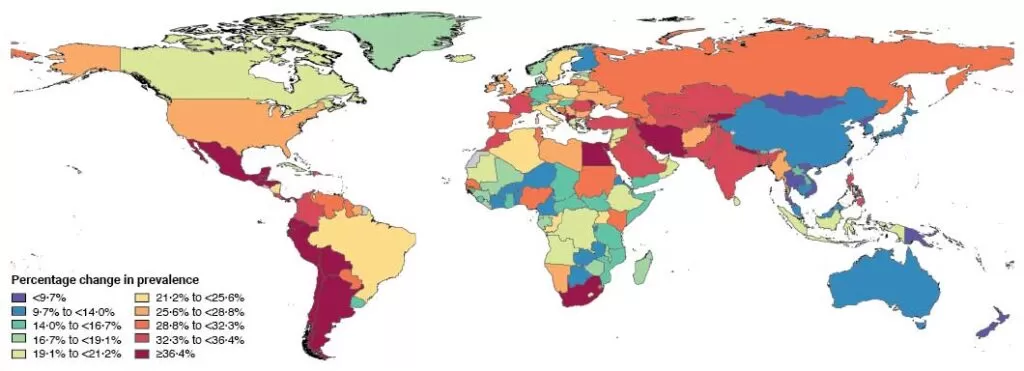
Change in the prevalence of major depressive disorder after adjustment for (ie, during) the COVID−19 pandemic, 20203
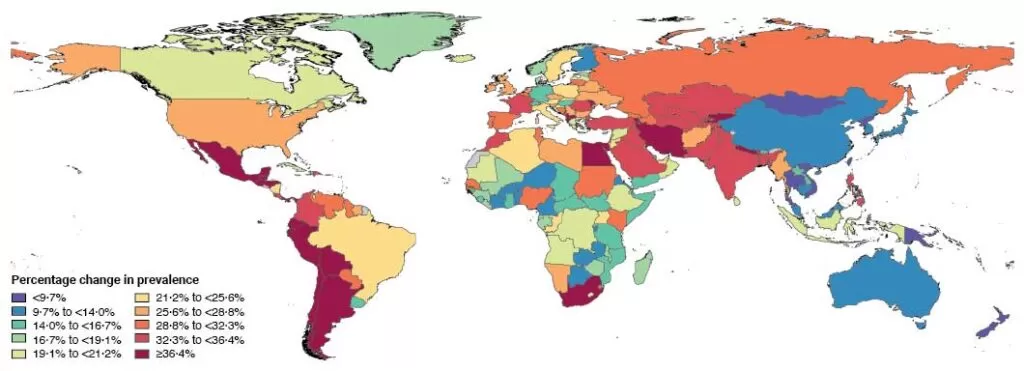
Change in the prevalence of anxiety disorders after adjustment for (ie, during) the COVID−19 pandemic, 20203
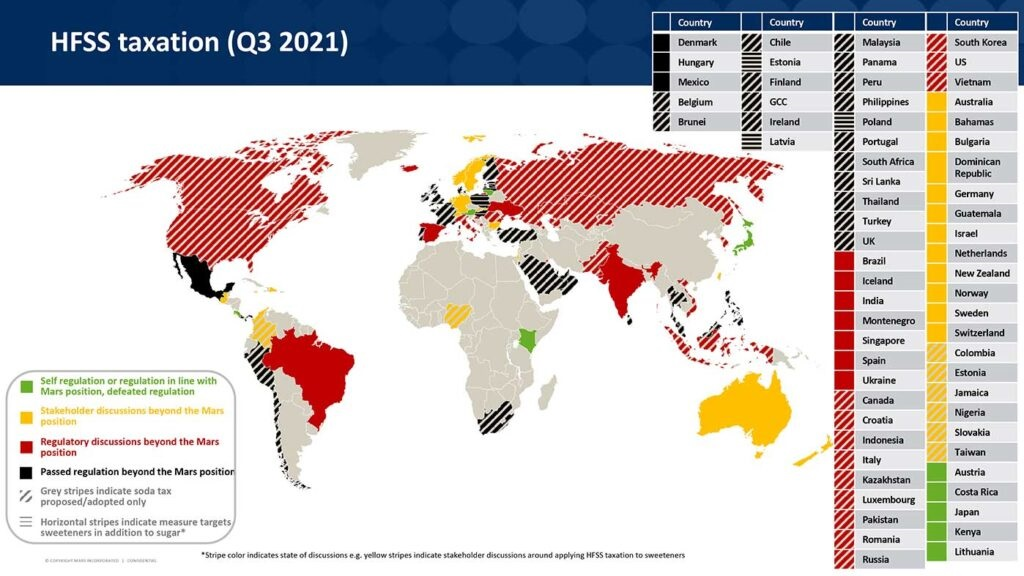
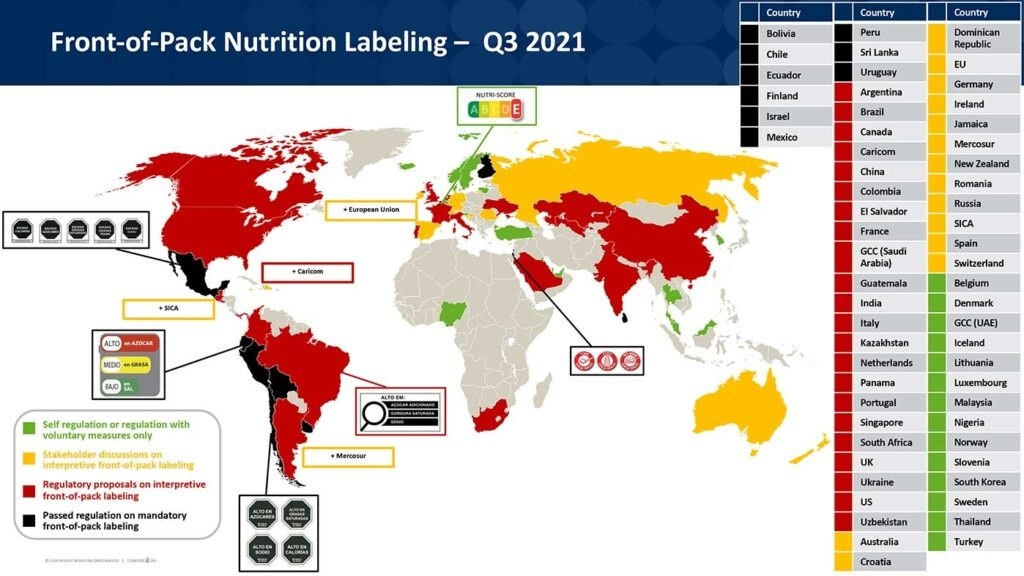
In an effort to address and alleviate some of these widespread wellbeing challenges, global organizations and local governments alike are driving systemic change through food policies, taxes and bans to help improve citizen’s health and wellbeing, measures that will continue to get stricter if positive shifts are not observed:
As a result of all of these headwinds, the United Nations created the Sustainable Development Goals (SDGs). The SDGs are the world’s shared plan to end extreme poverty, reduce inequality, and protect the planet by 2030. They were set up in 2015 by the United Nations General Assembly and have been adopted by 193 countries and countless stakeholders, businesses, and organizations. They represent a collection of 17 interlinked global goals designed to be a “blueprint to achieve a better and more sustainable future for all.”
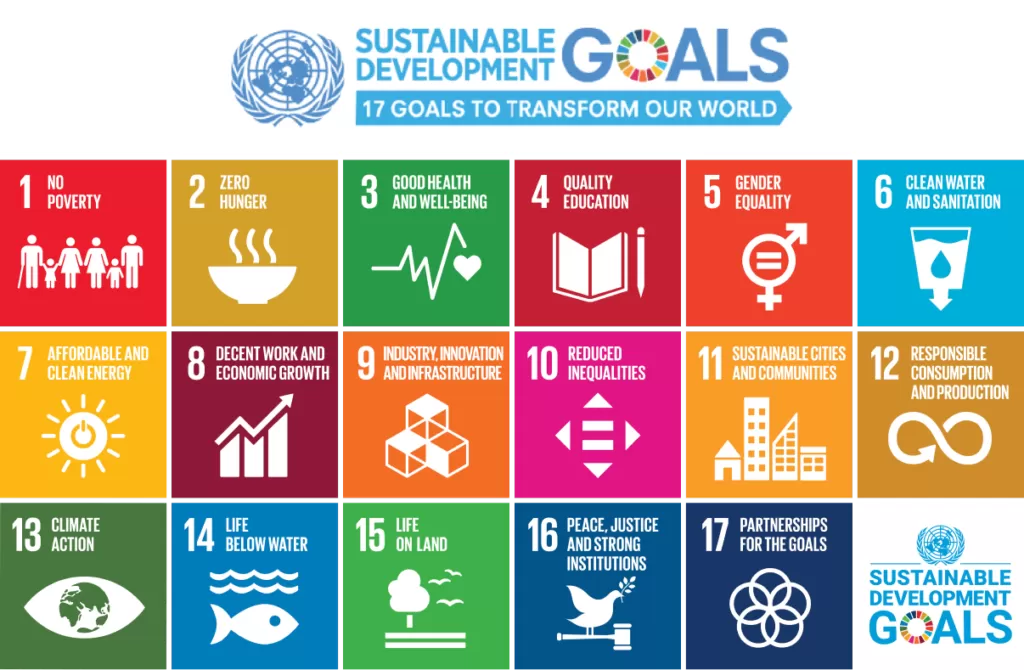
The global pandemic has increased the stakes for the SDGs, as it has exacerbated food insecurity, hunger, and poverty.
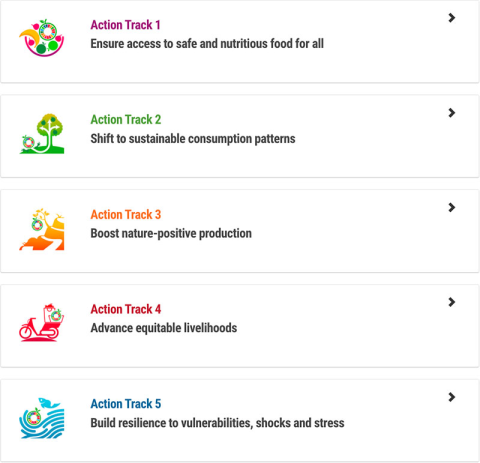
We have taken our planetary food system for granted for too long and it is now vulnerable and broken. The UN Food Systems Summit, held during the UN General Assembly in New York on September 23, 2021, triggered the transformation of food systems across the globe. It awakened the world to the fact that we all must work together to transform the way we produce, consume and think about food. The historic Summit followed an 18-month process in which 148 countries have hosted national dialogues to develop national strategies for more inclusive, resilient and sustainable food systems. It was anchored in five Action Tracks that offered stakeholders from a wide range of backgrounds a space to share and learn, with a view to fostering new actions and partnerships and amplifying existing initiatives. The Action Tracks given below, were a key input as we distilled the areas of focus for our business:
At the heart of the inputs into the Manifesto, as in our business, is the consumer.
Consumers are seeking a holistic approach to to their mental, physical, and spiritual health and better align their immediate needs of self-satisfaction and enjoyment with their higher aspirations to make a positive social contribution.4 More and more choose brands that help make the world cleaner, healthier, more resilient and equitable.5 And those who cannot see progress or standards of living lifting, are creating their own change (small or large). Using the Mars Wrigley Foresight methodology, a human led process of projecting out towards 2030, the team conducted a robust exercise in August 2021 and identified seven foundational future change drivers that are catalyzing consumer behavior change in the individual, social and planetary context of wellbeing.
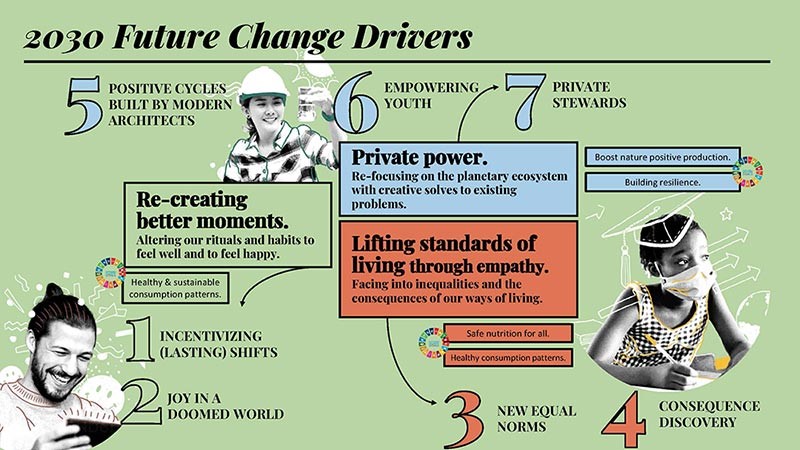
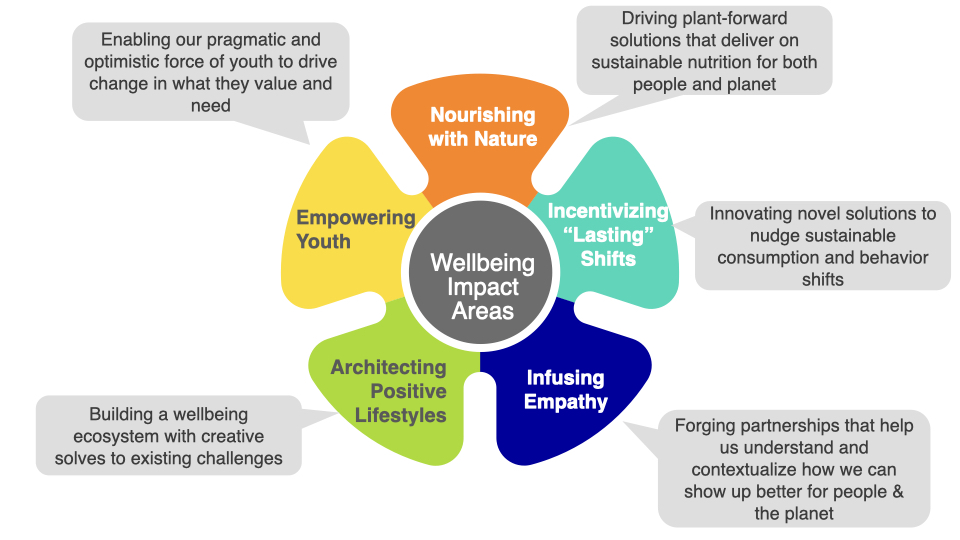
As we honed in on where we can effect change, we married the consumer change drivers above with themes arising out of the UN Food Systems Summit as well as our interviews with external KOLs. We then identified the following Wellbeing Impact Areas within which Mars can authentically engage. To support our four physical, social, emotional and environmental wellbeing dimensions, we will focus on efforts and action around these five impact areas. Visit The Mars Portfolio for more on how these impact areas will come to life in how we do business.
3The Lancet, Published online October 8, 2021
4MotiveBase Food & Diet Trends
5Euromonitor International Global Consumer Trends