Behavior Change
How do we define behaviors?
Behaviors are actions that can be highly ingrained and become habits and rituals we perform automatically without thinking.
Key drivers of wellbeing behavior change include motivation and capability, which are internal conditions, and opportunity, which is an external condition. These are all interlinked and can influence each other.
What is behavior change?
Behavior change is altering habits and routines through a range of actions like decision interventions, incentives, positive reinforcement, and other proven methods.
Key drivers of behavior change include motivation and capability, which are internal conditions, and opportunity, which is an external condition. These are all interlinked and can influence each other.
Why are we focused on it?
We live and work in a world that faces unprecedented societal challenges and inequalities. Rising food insecurity, nutrition inequality, mental stress and anxiety, loneliness – and the disproportionate impact they all have on underprivileged communities – are just some of the areas where we, as one of the world’s largest companies, can help find solutions.
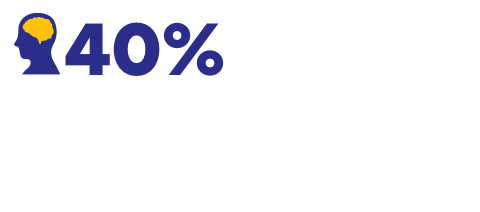
Behavior plays an important role in the health and wellbeing of people and research indicates that small changes in wellbeing related behaviors can lead to enormous improvements in people’s health and life expectancy – and has a contagious, knock-on effect to communities and the planet.
To achieve our vision of a world where everyone thrives, we must take a systemic approach to disrupt habitual patterns and establish new behaviors that can be reliably repeated until they become new habits and rituals. Over time, these small changes in behavior will collectively drive positive impact on societal problems that limit people’s ability to thrive.
Case study: Small Behavior Change for Positive Impact
Tide is on a mission to convince everyone to #TurntoCold for a better future.
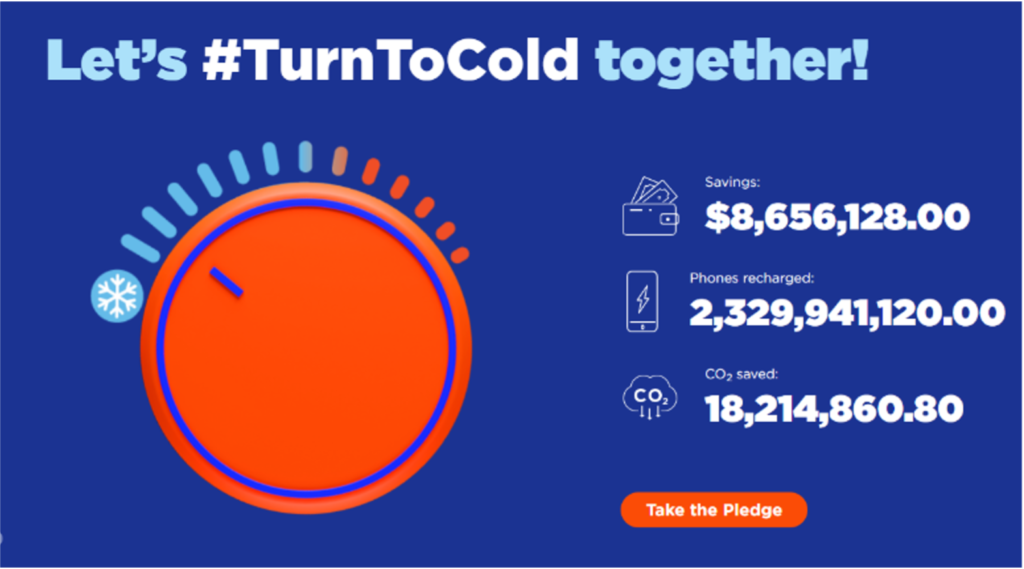
They are encouraging people to shift their everyday habits from washing in hot or warm water to washing in cold water.
This simple shift reduces energy use by 90%, which means less energy wasted and less impact on the environment with every wash. Added incentive – Consumers save money too!
They are engaging partners to continue their mission. Tide and WWF are teaming up to study sustainable behavior change in the laundry room and make cold wash the next broadly adopted energy-saving eco-habit.
Our focus
In light of these interrelated challenges, our actions as a business are guided by a whole-systems view that seeks to drive behavioral change in service of making a sustained, positive difference.
While one company cannot change all of consumer behavior, global iconic brands can play a role in influencing it. Based on expert opinion, we selected three key behaviors which Mars Snacking can positively influence – consumption, resilience, and advocacy.

Physical
behavior
CONSUMPTION
what we unlock?
Fit-for-purpose offerings that inspire meaningful choice

Emotional
behavior
RESILIENCE
what we unlock?
Purposed brands that build resilience of people & communities

Social
behavior
ADVOCACY
what we unlock?
Active industry leaders that champion reducing barriers